
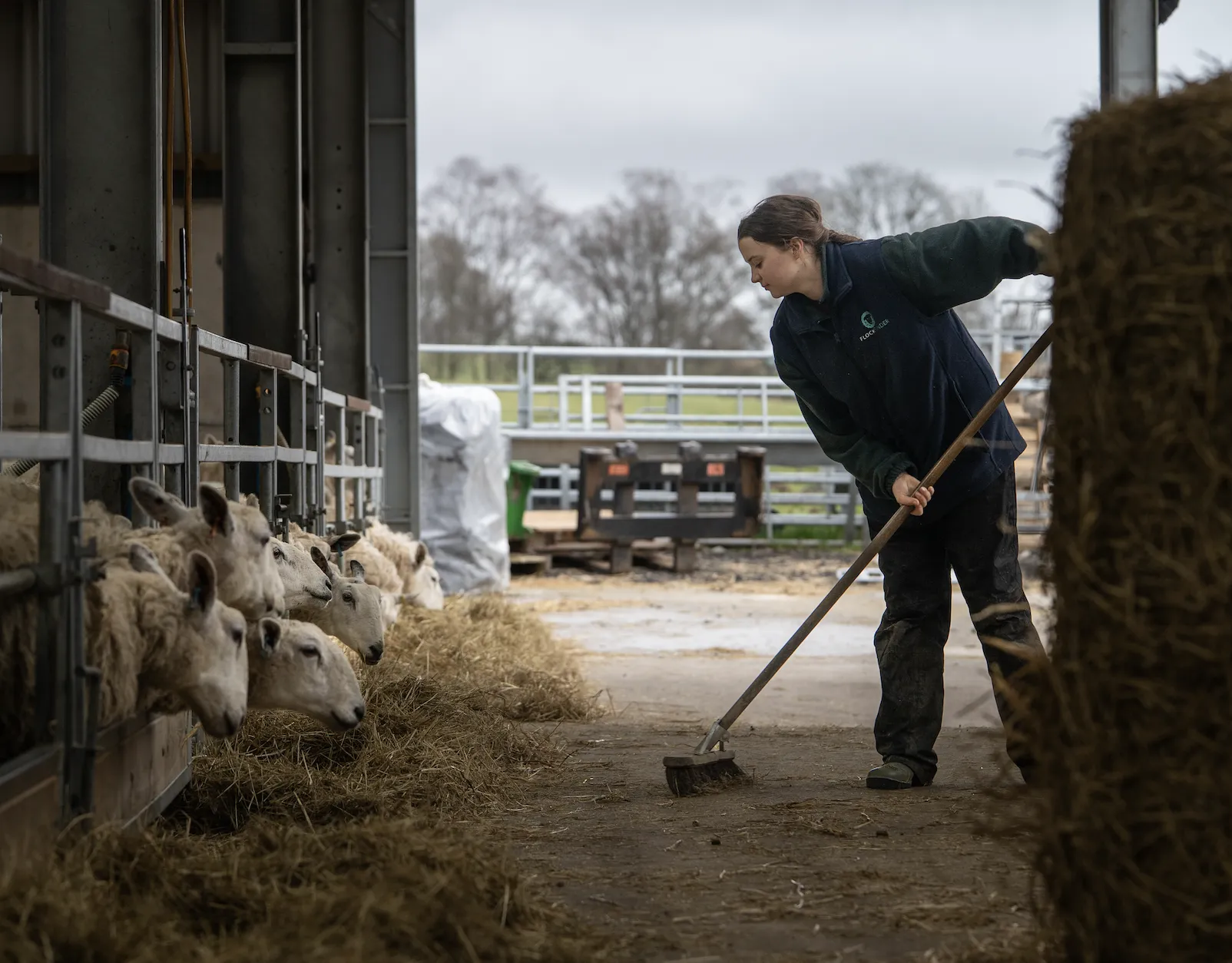
1. Prepare a Comprehensive Lambing Checklist
A well-stocked lambing kit is essential. Make sure you have disinfectants, iodine for navels, gloves, lamb jugs, bedding, and basic monitoring equipment. Having everything ready before lambing starts saves time and reduces stress.
FlockFinder tip: Create a digital lambing checklist in the app so you can tick off tasks as you prepare. This also ensures your team stays aligned, especially if multiple people are helping.
2. Monitor Ewe Health Before Lambing
Good lambs start with healthy ewes. Track body condition scores (BCS), weight, and any health treatments in the weeks leading up to lambing. Ewes in optimal condition produce stronger lambs and recover faster after giving birth.
FlockFinder tip: Use the app to log ewe weights and BCS so you can spot any issues early and plan interventions efficiently.
3. Track Lambing Events in Real Time
During lambing, record all key events: births, whether lambs are alive, birth weights, and mothering status. This reduces confusion and gives you clear data for future planning.
FlockFinder tip: Enter lambing events directly into the app as they happen. Over time, this builds a record that helps with weaning decisions, culling, and breeding analysis.
4. Weigh and Monitor Lamb Growth
Regular lamb weighing is critical. On average, lambs should gain around 250–300g per day in the first few weeks. Weighing helps identify lambs that may need extra care or feeding.
FlockFinder tip: Link each lamb’s weight to its mother in the app. You can track daily live weight gain (DLWG), compare singletons to twins, and spot underperformers quickly.
5. Keep on Top of Treatments and Health Records
Treatments, vaccinations, and any medical interventions should be carefully logged. Missing or mismanaged treatments can have long-term consequences for lamb survival and flock performance.
FlockFinder tip: Record medicines and treatments in batches to save time. The app provides alerts for repeat treatments and ensures compliance with regulations so nothing falls through the cracks.
6. Plan Lambing Checks Strategically
Check ewes and lambs at intervals that suit your flock size and facilities. Too little monitoring risks missing struggling lambs. Too much can stress ewes. Keep notes of observations to improve future lambing seasons.
FlockFinder tip: Use event logging and task reminders to schedule checks and share updates with your team, reducing human error and helping everyone stay coordinated.
7. Use Data to Improve Future Decisions
Consistently recording lambing events, weights, and ewe performance builds a wealth of data. Over time, this data informs culling, breeding, and management decisions, making your flock stronger year-on-year.
FlockFinder tip: By combining lambing data with growth and health tracking, you can generate insights that highlight top-performing ewes and lambs, helping you make smarter, evidence-based decisions.
Conclusion
Lambing season does not have to be overwhelming. By planning ahead, monitoring ewes and lambs closely, and using digital tools like FlockFinder to manage data, you can reduce stress, improve flock health, and make more informed decisions for the future.
Start building better lambing habits today. Your ewes, lambs, and your sanity will thank you.